
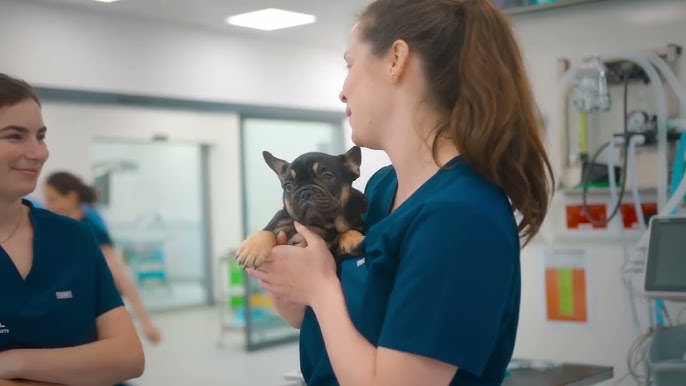
When it comes to your pet’s health, general veterinarians provide essential care, but sometimes a more specialized approach is necessary. Veterinary specialists undergo additional training and education in specific areas of veterinary medicine, allowing them to tackle complex health issues that may arise. Understanding the different types of veterinary specialists can help you make informed decisions about your pet’s care.
Veterinary Surgeons
Veterinary surgeons are specialists trained to perform surgical procedures. They may handle routine surgeries, such as spaying and neutering, but are also skilled in more complex operations. These can include orthopedic surgeries, like repairing broken bones, or soft tissue surgeries, which may involve the abdomen or chest. Surgeons typically have extensive training in anesthesia, pain management, and post-operative care, ensuring that your pet receives comprehensive support throughout the surgical process.
Veterinary Internal Medicine Specialists
Veterinary internal medicine specialists focus on diagnosing and treating diseases that affect the internal organs. They often manage complex cases involving conditions like diabetes, kidney disease, or liver dysfunction. These specialists employ advanced diagnostic tools, including ultrasounds, endoscopy, and blood work, to assess your pet’s health. They also develop treatment plans that may involve medication, dietary changes, or other therapeutic interventions. Their expertise is vital for pets with chronic conditions that require ongoing management.
Veterinary Dermatologists
Just like humans, pets can experience a range of skin conditions, from allergies to infections. Veterinary dermatologists specialize in diagnosing and treating these issues. They are skilled in identifying the underlying causes of skin problems, which may include parasites, environmental allergens, or autoimmune disorders. Treatment options can range from medicated shampoos and topical treatments to allergy testing and immunotherapy. Their focus on skin health is crucial for ensuring your pet is comfortable and free from chronic itching or discomfort.
Veterinary Oncologists
Veterinary oncologists specialize in the diagnosis and treatment of cancer in animals. Cancer can be a daunting diagnosis for pet owners, but oncologists are trained to provide comprehensive care that may include chemotherapy, radiation therapy, and surgical intervention. They work closely with pet owners to discuss treatment options, potential side effects, and palliative care for terminal cases. Their goal is to enhance the quality of life for pets battling cancer, providing support and guidance throughout the process.
Veterinary Emergency and Critical Care Specialists
Emergency and critical care veterinarians are essential for situations that require immediate attention. These specialists are trained to handle emergencies, such as trauma from accidents, poisoning, or severe infections. They are skilled in resuscitation techniques, advanced monitoring, and life-support systems. Often working in emergency clinics or veterinary hospitals, they are available after hours to provide urgent care when your regular vet may not be available. Their expertise can make a significant difference in critical situations, potentially saving your pet’s life.
Veterinary Behaviorists
Veterinary behaviorists focus on addressing behavioral issues in pets, such as anxiety, aggression, and compulsive disorders. They possess a unique combination of veterinary training and expertise in animal behavior, allowing them to identify the root causes of behavioral problems. Treatment plans often include behavioral modification techniques, environmental changes, and sometimes medication. Their guidance is invaluable for pet owners struggling with challenging behaviors that can impact the bond between pet and owner.
Veterinary Cardiologists
Veterinary cardiologists specialize in diagnosing and treating heart-related issues in pets. Common conditions they address include heart murmurs, congestive heart failure, and arrhythmias. They utilize advanced diagnostic tools, such as echocardiograms and electrocardiograms, to evaluate heart health. Cardiologists develop tailored treatment plans that may involve medications, dietary adjustments, or recommendations for lifestyle changes. Their expertise is crucial for managing chronic heart conditions and improving the overall well-being of affected pets.
Veterinary Nutritionists
Proper nutrition is fundamental to your pet’s health, and veterinary nutritionists specialize in this crucial area. They assess your pet’s dietary needs based on their age, breed, health conditions, and lifestyle. Nutritionists can develop custom diet plans to manage obesity, allergies, or specific medical conditions. Their guidance helps ensure that your pet receives the nutrients necessary for optimal health, and they can also recommend dietary supplements when needed.
Veterinary Ophthalmologists
Veterinary ophthalmologists focus on eye health and vision issues in pets. They diagnose and treat a wide range of conditions, including cataracts, glaucoma, and retinal diseases. Utilizing advanced diagnostic techniques, such as slit-lamp examinations and ocular ultrasounds, they provide comprehensive eye care. Treatment options may include medications, surgical interventions, or corrective procedures. Their expertise is vital for maintaining your pet’s vision and addressing any ocular health concerns.
Choosing the Right Specialist
When considering a veterinary specialist for your pet, it’s essential to consult your regular veterinarian first. They can provide valuable insights and refer you to the appropriate specialist based on your pet’s specific needs. Communication between your primary vet and the specialist ensures a cohesive approach to your pet’s health.
Understanding the various types of veterinary specialists available allows you to navigate your pet’s healthcare needs more effectively. Whether your pet requires routine surgery, management of a chronic condition, or specialized behavioral support, there’s a specialist equipped to help. Investing in specialized care can make a significant difference in your pet’s quality of life, ensuring they receive the best possible treatment tailored to their unique needs.
 Buy Dog Foods Blog