
Animal communication is a fascinating field that combines biology, psychology, and ecology to reveal how non-human creatures convey messages to one another. This complex tapestry of signals—ranging from vocalizations and gestures to chemical signals—provides insights into the social lives, mating behaviors, and survival strategies of various species. Let’s explore the remarkable ways animals communicate, the science behind these interactions, and what we can learn from them.
Vocal Communication: The Sounds of Nature
Many animals utilize vocalizations to communicate essential information. Birds are particularly well-known for their diverse range of calls and songs. For instance, songbirds produce intricate melodies not just for mating purposes but also to establish territory and warn others of potential threats. Research indicates that certain bird species can even modify their songs based on environmental cues, showing a level of adaptability and learning.
Mammals, too, have developed unique vocalizations. For example, dolphins use a complex system of clicks and whistles to coordinate hunting and socialize within their pods. Studies have shown that these sounds can vary regionally, suggesting that dolphin populations have distinct dialects—much like human languages. Understanding the nuances of these sounds can reveal much about their social structures and behaviors.
Body Language: The Power of Non-Verbal Signals
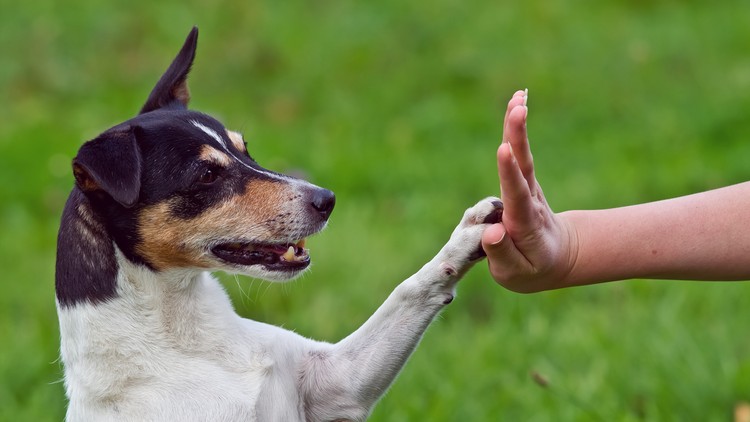
Animals also rely heavily on body language to communicate. In the animal kingdom, posture, movement, and facial expressions convey emotions and intentions. Dogs, for example, exhibit a wide range of behaviors—tail wagging, ear positioning, and even facial expressions—to signal happiness, aggression, or submission. Research has demonstrated that dogs can discern human emotions through these non-verbal cues, highlighting the deep bond between humans and canines.
In the insect world, communication often involves intricate movements. Honeybees perform a “waggle dance” to indicate the direction and distance of food sources. This dance is a remarkable example of how non-verbal communication can convey detailed information and coordinate group behavior.
Chemical Communication: The Language of Scent
Many animals communicate through chemical signals, or pheromones. This form of communication is particularly prevalent among insects. For instance, ants release pheromones to mark trails to food sources or to signal alarm to their colony. The ability to detect and interpret these chemical signals is crucial for their social structure and survival.
In mammals, pheromones play a significant role in mating behaviors. Studies suggest that many species, including humans, may subconsciously react to pheromonal cues that indicate genetic compatibility or reproductive status. The subtlety of chemical communication highlights an often-overlooked aspect of animal interaction that is vital for reproduction and social organization.
Visual Signals: The Color of Communication
Coloration and patterns are also integral to how animals communicate. Many species use visual displays for courtship, territory defense, or warning signals. For example, peacocks are renowned for their vibrant plumage, which males display during mating rituals to attract females. The size and quality of the tail feathers are indicators of health and genetic fitness.
Similarly, certain reptiles employ color changes as a means of communication. Chameleons, for instance, can change their skin color to reflect their mood or to signal to potential mates or rivals. This ability to visually communicate emotional states provides insight into their social interactions.
The Role of Context in Communication
Understanding animal communication requires an appreciation of context. Signals can have different meanings depending on the situation. For instance, a dog’s growl can indicate either playfulness or aggression, depending on the accompanying body language and environmental factors. This complexity mirrors human communication, where tone and context dramatically alter the interpretation of spoken words.
Research has shown that many animals can also learn from their interactions. For instance, some species of primates can understand and respond to the calls of other species, indicating a level of interspecies communication. This suggests a sophisticated understanding of their environment and the ability to adapt their communication strategies accordingly.
The Implications of Animal Communication
Studying animal communication not only enriches our understanding of the natural world but also has profound implications for conservation efforts. By recognizing the importance of communication within species, conservationists can better develop strategies to protect habitats and ensure the survival of endangered species.
Moreover, the insights gained from animal communication can enhance our own understanding of human interactions. By examining how animals convey messages, we can reflect on our communication styles and the importance of non-verbal cues in our social lives.
Animal communication is a vibrant field of study that highlights the intricate ways in which non-human species interact. From vocalizations and body language to chemical signals and visual displays, these methods of communication reveal much about the social structures, survival strategies, and emotional lives of animals. As we continue to unravel the complexities of animal communication, we deepen our appreciation for the richness of life on Earth and our interconnectedness with the animal kingdom.
 Buy Dog Foods Blog