
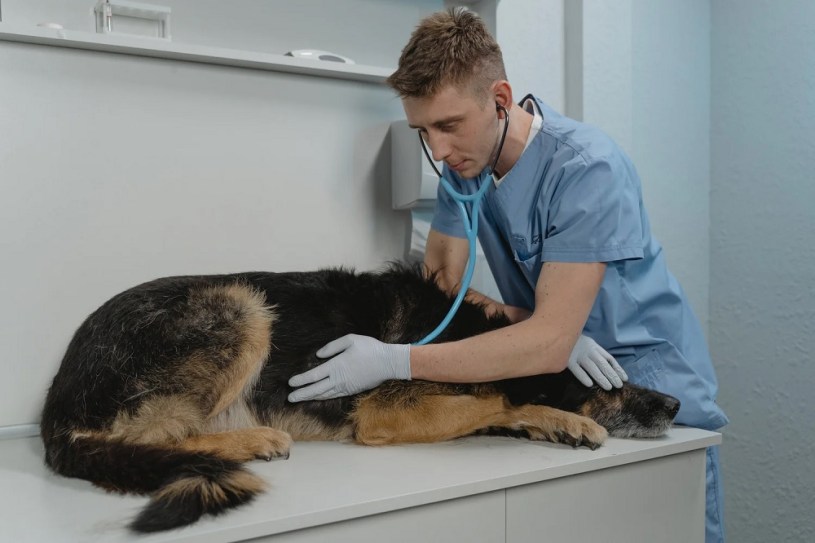
Selecting the right veterinarian for your pet is one of the most crucial decisions you can make as a pet owner. Just as you would for yourself or your family, it’s essential to find a veterinary professional who meets your pet’s needs while also making you feel comfortable and informed. Here’s a detailed guide to help you navigate this important choice.
Assess Your Pet’s Needs
Before you begin your search, take a moment to assess your pet’s specific health needs. Consider their age, breed, and any pre-existing conditions. For instance, older pets may require specialized care or management of chronic conditions, while puppies and kittens often need a series of vaccinations and socialization guidance. Understanding these needs will help you find a veterinarian who specializes in the areas that are most relevant to your pet.
Research Veterinary Clinics
Start your search by researching local veterinary clinics. Online resources, such as Google Maps or review sites, can provide valuable insights into practices in your area. Look for clinics with good ratings and read through customer reviews to gauge the experiences of other pet owners. Pay attention to comments about the clinic’s cleanliness, staff friendliness, and the overall quality of care.
Visit Potential Clinics
Once you’ve narrowed down your options, it’s time for a personal visit. Many veterinary clinics welcome prospective clients to tour their facilities. During your visit, observe the environment—make sure it’s clean, well-organized, and equipped with modern medical equipment. Take note of how the staff interacts with pets and their owners; a friendly and compassionate team can make all the difference in your pet’s experience.
Evaluate the Veterinarian’s Qualifications
The veterinarian’s qualifications are paramount in your decision-making process. Look for information about their education, experience, and any special certifications they may hold. Some veterinarians may focus on specific areas of veterinary medicine, such as surgery, dermatology, or dentistry. If your pet has unique needs, finding a vet with relevant experience can provide peace of mind.
Communication Style
Effective communication is essential in the vet-client relationship. When you meet a potential veterinarian, pay attention to their communication style. Do they take the time to listen to your concerns? Are they clear in their explanations? A good veterinarian will encourage questions and ensure you fully understand your pet’s health issues and treatment options. This transparency fosters a trusting relationship that is vital for your pet’s care.
Ask About Services Offered
Veterinary clinics vary widely in the services they provide. While all practices will offer routine check-ups and vaccinations, some may also provide specialized services such as dental care, emergency services, or behavioral consultations. Determine what services are important for your pet’s needs and make sure the clinic you choose can accommodate them.
Consider the Location and Hours
The location of the veterinary clinic plays a practical role in your choice. A conveniently located clinic can save you time and stress, especially in emergency situations. Additionally, consider the clinic’s operating hours. If you have a busy schedule, look for a practice that offers flexible hours, including evenings and weekends. Some clinics may also provide telemedicine options for minor health concerns, which can be an added convenience.
Emergency Care and Referrals
Emergencies can happen at any time, so it’s crucial to understand how your chosen veterinary practice handles urgent care. Inquire whether the clinic provides emergency services or if they partner with an emergency animal hospital. Knowing where to go in case of an urgent situation can alleviate anxiety during critical moments. Additionally, ask if the vet has a network of specialists for referrals, should your pet need advanced care.
Cost and Payment Options
Understanding the financial aspect of veterinary care is essential. Ask about the clinic’s pricing structure for routine visits, vaccinations, and any additional procedures. It’s also wise to inquire about payment options, including financing plans or pet insurance partnerships. Many clinics offer payment plans to help manage costs, making quality veterinary care more accessible.
Trust Your Instincts
Ultimately, your gut feeling matters. After visiting potential clinics and meeting veterinarians, reflect on your overall experience. Did you feel welcomed and supported? Were your concerns taken seriously? Trusting your instincts about the environment and the staff can lead you to a veterinary clinic where both you and your pet feel comfortable and cared for.
Choosing the right veterinarian is an investment in your pet’s health and well-being. By taking the time to evaluate your options and consider the unique needs of your furry friend, you can ensure a happy, healthy life together.
 Buy Dog Foods Blog