
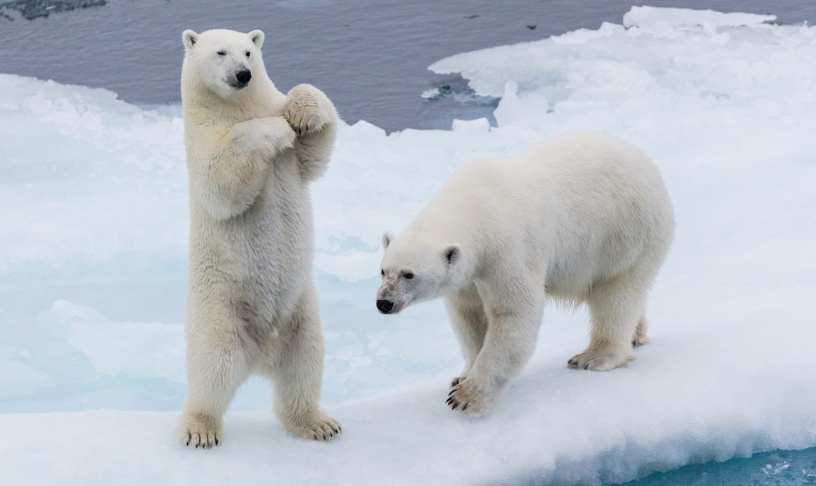
In the vast tapestry of life on Earth, animals have developed remarkable adaptations that enable them to thrive in diverse environments. These adaptations, which can be structural, behavioral, or physiological, allow species to find food, escape predators, and cope with changing climates. Here, we explore ten fascinating adaptations that illustrate the ingenuity of nature’s design.
1. Camouflage: The Art of Concealment
Many animals possess the ability to blend seamlessly into their surroundings, a trait known as camouflage. The peppered moth is a classic example; its coloration allows it to merge with tree bark, evading predators. Similarly, the leafy sea dragon resembles floating seaweed, effectively hiding from both prey and predators. This adaptation is vital for survival, allowing these creatures to avoid detection in their natural habitats.
2. Mimicry: Imitating the Unattractive
Mimicry is another fascinating survival strategy where one species evolves to resemble another. The harmless king snake mimics the coloration of the venomous coral snake. Predators often avoid the king snake, mistaking it for its dangerous counterpart. This adaptation not only helps the king snake evade threats but also highlights the intricate relationships between species in an ecosystem.
3. Hibernation: A Seasonal Strategy
Hibernation is an adaptation that enables animals to survive periods of extreme cold or food scarcity. Bears, for example, enter a state of reduced metabolic activity, slowing their heart rate and conserving energy during winter months when food is scarce. This physiological change allows them to survive on stored body fat until spring, demonstrating how animals can effectively endure harsh conditions.
4. Echolocation: Navigating in the Dark
Echolocation is a remarkable adaptation used by certain animals, such as bats and dolphins, to navigate and hunt in darkness or murky waters. By emitting sound waves and listening for the echoes that bounce back, these creatures can determine the location, size, and shape of objects around them. This skill not only aids in finding food but also helps in avoiding obstacles, showcasing the sophisticated sensory adaptations developed by these species.
5. Antifreeze Proteins: Surviving the Cold
Some animals, like the Arctic cod, have evolved antifreeze proteins that prevent their bodily fluids from freezing in icy waters. These proteins lower the freezing point of their blood, allowing them to thrive in subzero temperatures. This adaptation is crucial for survival in polar environments, highlighting the incredible biochemical strategies that organisms use to endure extreme conditions.
6. Specialized Feet: Adaptations for Mobility
Different environments require unique adaptations for movement. The snowshoe hare, for instance, has large, fur-covered feet that distribute its weight over snow, preventing it from sinking. This adaptation allows it to travel efficiently across snowy landscapes while escaping predators. Similarly, the webbed feet of ducks enable them to swim gracefully, illustrating how adaptations can enhance mobility in diverse habitats.
7. Venom: A Deadly Defense
Venomous creatures, such as the box jellyfish and the inland taipan, possess toxins that serve as both a defense mechanism and a hunting strategy. The box jellyfish’s tentacles contain venom that can incapacitate prey and deter predators, while the inland taipan’s venom is potent enough to kill its prey rapidly. This adaptation not only aids in securing food but also plays a vital role in their survival against larger threats.
8. Social Structures: Cooperative Living
Many species, such as wolves and meerkats, thrive through complex social structures. Wolves hunt in packs, using teamwork to bring down larger prey, while meerkats work together to watch for predators while others forage for food. These social adaptations enhance survival rates, allowing members to benefit from cooperative behaviors and increase their chances of finding food and avoiding dangers.
9. Color Change: Communicating and Camouflaging
The ability to change color is not just a beautiful spectacle; it serves essential survival functions. Chameleons are well-known for this trait, enabling them to blend into their environment or communicate with other chameleons. Similarly, cuttlefish can alter their coloration and texture to camouflage themselves from predators or signal potential mates. This dynamic adaptation showcases the intricate interplay between communication and concealment in the animal kingdom.
10. Unique Reproductive Strategies: Ensuring Offspring Survival
Many species have developed unique reproductive adaptations to enhance the survival of their young. For example, seahorses exhibit a fascinating role reversal, with males carrying fertilized eggs in a pouch until they hatch. This adaptation increases the chances of survival for the offspring, as they are protected during their early development. Such strategies reflect the diverse ways animals adapt their reproductive behaviors to ensure the continuation of their species.
The Importance of Adaptations
Animal adaptations are not merely fascinating traits; they are crucial for survival in a constantly changing world. Understanding these unique adaptations helps us appreciate the resilience of life on Earth and underscores the importance of protecting habitats that support these remarkable creatures. Each adaptation is a testament to the creativity of nature, showcasing the endless ways life finds a way to endure. As we explore the intricacies of animal survival, we gain insight into the delicate balance of ecosystems and the need for conservation efforts to protect these incredible adaptations.
 Buy Dog Foods Blog