
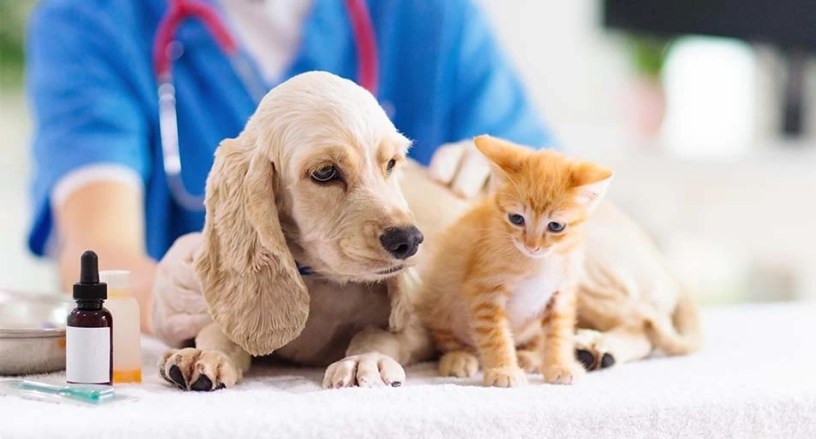
Vaccinations are a cornerstone of preventive healthcare for pets, playing a vital role in safeguarding their health and wellbeing. Understanding which vaccinations are essential for dogs and cats is crucial for pet owners. This comprehensive guide will provide detailed insights into the core vaccines your pets need, why they are important, and how they protect your furry companions.
The Importance of Vaccinations
Vaccines work by stimulating the immune system to recognize and combat specific pathogens, thereby preventing diseases that can lead to serious health complications or even death. Regular vaccinations not only protect individual pets but also contribute to the overall health of the pet population by preventing the spread of infectious diseases.
Core Vaccinations for Dogs
1. Rabies
Overview: Rabies is a viral disease that affects the central nervous system and is almost universally fatal once symptoms appear.
Why It’s Essential: Vaccination against rabies is not only crucial for your dog’s health but is also often mandated by law in many areas. It protects both your pet and the community from this zoonotic disease, which can be transmitted to humans.
2. Canine Distemper Virus (CDV)
Overview: Distemper is a highly contagious viral disease that affects multiple organ systems in dogs, including the respiratory, gastrointestinal, and central nervous systems.
Why It’s Essential: Distemper can be fatal, and there is no cure. Vaccination is crucial, especially for puppies and unvaccinated adult dogs. The vaccine is highly effective and provides long-lasting immunity.
3. Canine Parvovirus (CPV)
Overview: Parvovirus is a highly contagious virus that primarily affects puppies and can lead to severe gastrointestinal illness.
Why It’s Essential: Parvovirus is notoriously resilient and can survive in the environment for long periods. The disease can be life-threatening, particularly in young dogs. Vaccination is essential to protect against this deadly virus.
4. Canine Adenovirus (CAV-2)
Overview: This virus causes infectious canine hepatitis and respiratory infections.
Why It’s Essential: Vaccination against CAV-2 helps prevent both hepatitis and respiratory diseases, contributing to overall canine health. The vaccine is typically included in combination vaccines (often referred to as DHPP).
Core Vaccinations for Cats
1. Feline Rabies
Overview: Similar to dogs, rabies in cats is a serious and fatal viral disease.
Why It’s Essential: Vaccinating against rabies protects your cat and others in the community. Like canine rabies, this vaccination is often required by law.
2. Feline Viral Rhinotracheitis (FVR)
Overview: This is a significant cause of upper respiratory infections in cats and is caused by the feline herpesvirus.
Why It’s Essential: Vaccination helps protect against severe respiratory illnesses that can lead to complications and chronic conditions. The vaccine provides crucial protection, especially for young kittens.
3. Feline Calicivirus (FCV)
Overview: Calicivirus is another major cause of respiratory disease in cats.
Why It’s Essential: This vaccine is essential for preventing respiratory infections that can spread rapidly, especially in multi-cat households. Like FVR, it is often included in combination vaccines (FVRCP).
4. Feline Panleukopenia (FPV)
Overview: Also known as feline parvovirus, this disease affects the gastrointestinal system and bone marrow.
Why It’s Essential: FPV can be fatal, particularly in young kittens. Vaccination is critical for preventing this highly contagious and life-threatening disease.
Combination Vaccines
Both dogs and cats benefit from combination vaccines, which provide protection against multiple diseases with a single shot. For dogs, vaccines like DHPP (Distemper, Hepatitis, Parvovirus, and Parainfluenza) are common, while cats often receive FVRCP (Feline Viral Rhinotracheitis, Calicivirus, and Panleukopenia). These combination vaccines streamline the vaccination process and reduce the number of visits needed to the veterinarian.
Vaccination Schedule
For Puppies and Kittens: Young pets require a series of vaccinations, usually starting at six to eight weeks of age and continuing until they are about 16 weeks old. Your veterinarian will provide a tailored schedule based on your pet’s specific needs.
For Adult Pets: After the initial series, vaccinations will need to be boosted at regular intervals, typically every one to three years, depending on the vaccine and local laws.
Monitoring After Vaccination
After your pet receives vaccinations, it’s important to monitor them for any side effects. Common reactions can include mild lethargy, soreness at the injection site, or slight fever. Serious reactions are rare but can occur, so be sure to contact your veterinarian if you notice anything unusual.
Consulting Your Veterinarian
The best approach to vaccinations is a collaborative effort between you and your veterinarian. They can assess your pet’s individual health status, lifestyle, and risk factors to determine the appropriate vaccination plan. Keep an open line of communication and ask questions to ensure you fully understand the benefits and requirements.
The Takeaway
Vaccinations are an essential aspect of responsible pet ownership. They protect your pets from potentially deadly diseases and contribute to the overall health of the animal community. By staying informed about the necessary vaccinations for your dogs and cats and adhering to their vaccination schedules, you can ensure a long, healthy, and happy life for your beloved companions. Prioritizing your pet’s health through vaccination is one of the most impactful ways you can show your love and commitment.
 Buy Dog Foods Blog