
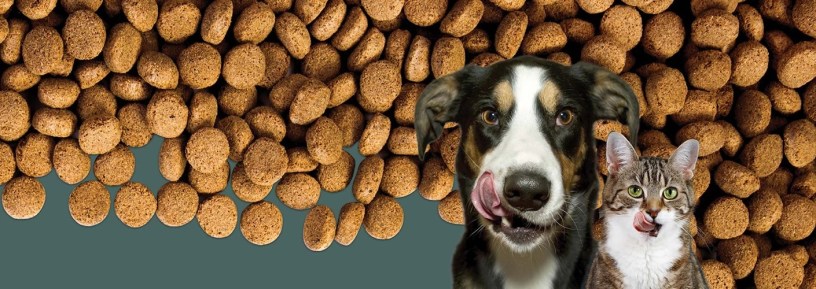
When it comes to feeding our beloved pets, the debate between homemade and commercial pet food is a hot topic among pet owners. Both options have their merits and drawbacks, and understanding these can help you make the best choice for your furry friend. This article delves into the advantages and disadvantages of both homemade and commercial pet food, providing a comprehensive overview to guide your decision.
The Allure of Homemade Pet Food
Creating meals for your pet at home can be a fulfilling endeavor. Many pet owners appreciate the control it offers over ingredients and the ability to tailor meals to their pet’s specific needs.
Pros of Homemade Pet Food
1. Quality Control:
- By preparing your pet’s food at home, you have direct control over the ingredients. This allows you to select high-quality proteins, fresh vegetables, and healthy fats. You can avoid artificial preservatives, fillers, and low-quality by-products often found in commercial brands.
2. Customization:
- Homemade diets can be tailored to meet your pet’s unique nutritional requirements, including specific health conditions or dietary sensitivities. Whether your pet has allergies or requires a low-carb diet, homemade meals can be adjusted accordingly.
3. Freshness:
- Freshly prepared food tends to be more appealing to pets and can lead to improved digestion and overall health. The lack of preservatives means you’re serving food closer to its natural state.
4. Bonding Experience:
- The act of preparing meals for your pet can strengthen the bond you share. It can be a rewarding process to see your pet enjoy the fruits of your labor.
Cons of Homemade Pet Food
1. Nutritional Imbalance:
- Creating balanced meals requires knowledge of pet nutrition. Many homemade diets fall short in essential vitamins and minerals, which can lead to health issues over time. Consulting with a veterinarian or pet nutritionist is crucial to ensure your meals are well-rounded.
2. Time-Consuming:
- Preparing homemade meals can be time-intensive. From shopping for ingredients to cooking and portioning, it requires a significant commitment, which may not be feasible for every pet owner.
3. Cost:
- High-quality ingredients can be expensive, potentially making homemade diets less economical than commercial options.
4. Risk of Contamination:
- Preparing food at home carries the risk of contamination if proper food safety practices aren’t followed. This can lead to foodborne illnesses affecting both pets and humans.
The Appeal of Commercial Pet Food
Commercial pet food offers convenience and consistency, making it a popular choice among pet owners. However, the variety of options available can lead to confusion.
Pros of Commercial Pet Food
1. Convenience:
- Commercial pet food is easy to find and requires no preparation time. Simply open a bag or can, and you’re ready to feed your pet.
2. Balanced Nutrition:
- High-quality commercial pet foods are formulated to meet AAFCO (Association of American Feed Control Officials) standards, ensuring they provide the necessary nutrients for your pet’s life stage and health requirements.
3. Variety:
- The range of commercial options available means that you can find formulas tailored to specific breeds, ages, and health conditions. This variety can be beneficial if your pet has unique dietary needs.
4. Extended Shelf Life:
- Commercial foods typically have a longer shelf life than homemade meals due to the use of preservatives and packaging methods. This makes it easier to store and reduces food waste.
Cons of Commercial Pet Food
1. Ingredient Quality:
- Not all commercial pet foods are created equal. Some may contain low-quality ingredients, fillers, and artificial additives. It’s essential to read labels and choose brands with transparent sourcing and high-quality ingredients.
2. Less Control:
- With commercial pet food, you have limited control over what goes into your pet’s diet. If your pet has allergies or sensitivities, finding an appropriate commercial diet can be challenging.
3. Potential for Recalls:
- Commercial pet foods can be subject to recalls due to contamination or safety concerns. Staying informed about the brands you choose is crucial.
4. Price Variation:
- While some commercial options are affordable, premium brands can be quite expensive. It’s important to balance quality and budget when selecting commercial food.
Finding the Right Balance
Ultimately, the choice between homemade and commercial pet food hinges on your pet’s unique needs and your lifestyle. Some pet owners opt for a hybrid approach, incorporating both homemade meals and high-quality commercial food to create a balanced diet.
If you decide to pursue a homemade diet, consulting with a veterinarian or a pet nutritionist is invaluable to ensure nutritional adequacy. If you lean towards commercial options, prioritize brands that emphasize quality ingredients and transparent practices.
Your furry friend deserves the best nutrition, and being informed about your choices is the first step towards ensuring their health and happiness. Whether you choose homemade or commercial pet food, what matters most is providing a diet that supports their well-being and complements their lifestyle.
 Buy Dog Foods Blog