
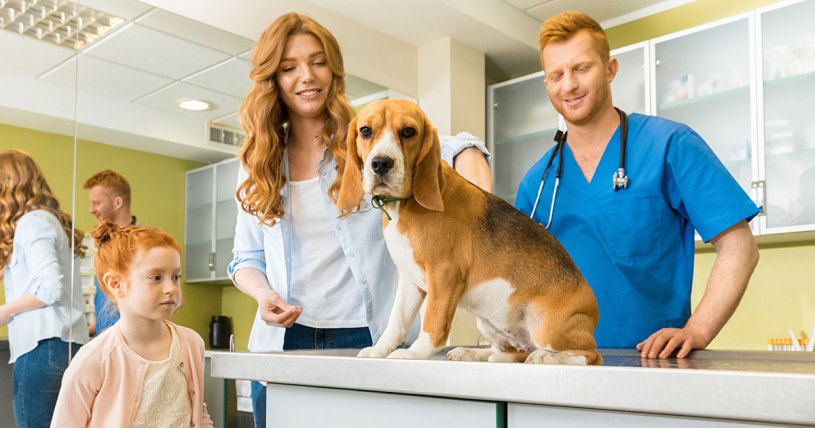
As a devoted pet owner, ensuring your furry friend’s health and happiness is likely at the forefront of your priorities. One of the most effective ways to achieve this is through regular veterinary visits. While it might be easy to postpone these appointments, understanding their significance can help you provide a longer, healthier life for your beloved companion.
Early Detection of Health Issues
One of the most critical reasons for regular vet visits is the early detection of potential health problems. Many diseases, such as diabetes or kidney issues, can develop slowly and may not show obvious symptoms until they reach advanced stages. Routine check-ups allow veterinarians to conduct thorough examinations and identify subtle signs of illness that an untrained eye might miss. Early intervention can significantly improve the outcome of many conditions, making regular vet visits an essential part of preventive care.
Vaccination and Preventive Care
Vaccinations are crucial for protecting your pet against a variety of serious illnesses. During veterinary visits, your pet can receive essential vaccines that prevent diseases such as rabies, distemper, and parvovirus. The vet can also discuss additional preventive measures, such as flea, tick, and heartworm medications. Regular check-ups ensure that your pet is up to date on vaccinations and preventive treatments, safeguarding their health and reducing the risk of infectious diseases.
Dental Health Monitoring
Oral health is often overlooked in pets, yet it plays a significant role in their overall well-being. Regular veterinary visits typically include dental check-ups, where the vet examines your pet’s teeth and gums for signs of periodontal disease or other dental issues. Poor dental hygiene can lead to serious health problems, including infections that may affect vital organs like the heart and kidneys. By scheduling routine dental assessments, you can help maintain your pet’s oral health and prevent complications down the line.
Nutritional Guidance and Weight Management
Maintaining a balanced diet is fundamental for your pet’s health. During veterinary visits, your vet can provide personalized dietary advice based on your pet’s age, breed, and health status. They can recommend specific food types, portion sizes, and feeding schedules that cater to your pet’s unique needs. Additionally, regular visits allow for weight assessments, enabling you to monitor any changes that could indicate underlying health issues or the need for adjustments in diet and exercise.
Behavioral Assessments
Behavioral changes in pets can often signal underlying health concerns or environmental stressors. Regular vet visits provide an opportunity to discuss any changes in behavior you’ve noticed, such as increased aggression, anxiety, or lethargy. Vets can help identify the root causes of these behaviors and recommend strategies or treatments to address them. Whether it’s a medical issue or a need for environmental adjustments, open communication with your veterinarian can lead to a happier, more balanced pet.
Building a Strong Vet-Pet Relationship
Frequent vet visits help to build a positive relationship between your pet and their veterinarian. Just as humans benefit from familiarity and comfort with their healthcare providers, pets can also become accustomed to veterinary environments. Regular visits help reduce anxiety and fear, making future appointments less stressful. Your veterinarian will also become more familiar with your pet’s health history, enabling them to provide tailored care and recommendations.
Emergency Preparedness
An unforeseen health crisis can arise at any moment. Regular veterinary check-ups equip you with the knowledge and resources to respond effectively in emergencies. During these visits, you can discuss potential warning signs of illness and injury specific to your pet. Additionally, your vet can help you create a pet emergency plan, ensuring you know what to do and where to go if a situation arises. Being prepared can make all the difference in providing timely care when your pet needs it most.
Financial Benefits of Preventive Care
While it may seem that regular vet visits could be an added expense, they often save money in the long run. Preventive care can help avoid costly treatments for advanced diseases that could have been prevented with early intervention. By investing in routine check-ups, vaccinations, and preventive measures, you can potentially reduce the financial burden of serious health issues down the line.
Conclusion
Regular vet visits are not just a formality; they are an essential part of responsible pet ownership. From early disease detection and preventive care to behavioral assessments and emergency preparedness, the benefits are far-reaching. By prioritizing your pet’s health through routine veterinary care, you are setting the stage for a long, happy, and healthy life together. So, schedule that next appointment—your furry friend deserves it!
 Buy Dog Foods Blog